
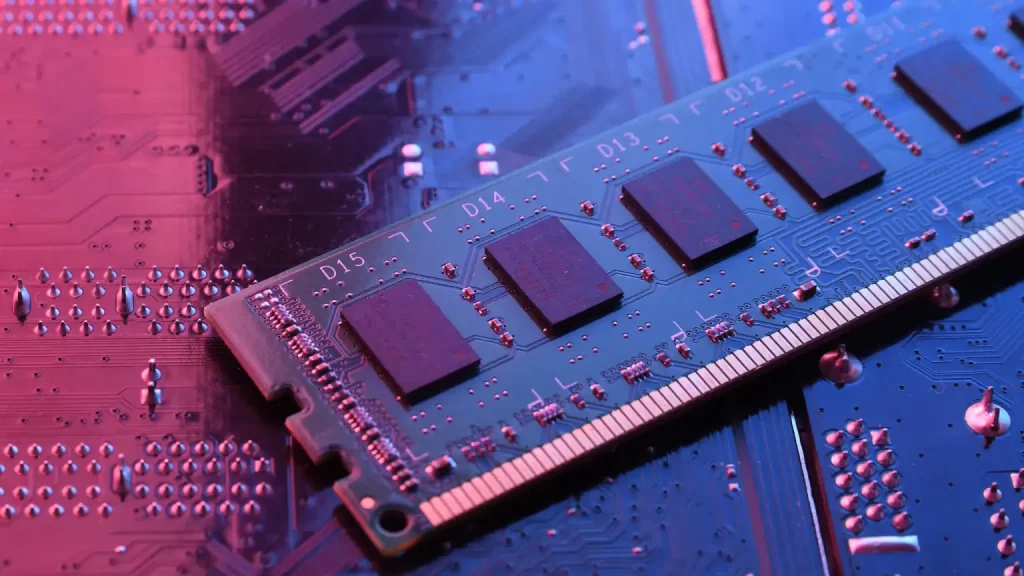
The rising price of RAM is no longer driven only by normal supply and demand. One of the biggest factors behind the increase is the rapid growth of artificial intelligence (AI). Modern AI systems require enormous computing power and memory, which is pushing global demand for high-performance RAM to new levels.
AI Workloads Need More Memory
Today’s AI models are far more complex than earlier software. Training and running these systems require large amounts of fast, high-capacity RAM to process massive datasets and perform many calculations at the same time.
As more companies develop AI tools, the demand for advanced RAM keeps growing making it more expensive.
Data Centers Are Consuming Huge Amounts of RAM
Large technology companies and cloud providers operate massive data centers to support AI services. These facilities buy RAM in bulk for AI training and real-time processing.
Because data centers purchase such large quantities, they reduce the supply available to regular consumers, which helps drive prices higher.
Demand for Faster, Specialized Memory
Standard memory used in everyday computers is often not enough for modern AI workloads. Many AI systems require faster and more specialized memory technologies with higher bandwidth.
Since these newer memory types are harder and more expensive to produce, their growing demand contributes to overall RAM price increases.
Examples of AI Driving Memory Demand
Some well-known AI platforms help explain why powerful hardware—and more RAM—is needed:
OpenAI’s ChatGPT processes massive language data and requires powerful servers with large memory capacity.
Google’s Gemini AI runs on large cloud infrastructure that depends on high-performance RAM for fast responses.
NVIDIA AI systems and GPUs are widely used to train deep-learning models, and these setups rely heavily on fast, high-bandwidth memory.
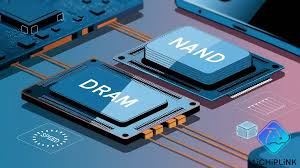
Dynamic Random-Access Memory (DRAM) — The Workhorse
- DRAM serves as the main memory (RAM) of computers, GPUs, and mobile devices.
- Faster than storage but slower than cache (~50–100ns access time).
- Data is volatile (lost when power is off).
NAND Flash (SSD & Storage) — Non-Volatile Memory (NVM)
- NAND Flash is used in SSDs, USB drives, and memory cards.
- Slower than DRAM but non-volatile, meaning it retains data even when powered off.
- Used for long-term storage but can also assist in caching via NVMe SSDs.
Tips When Buying RAM
With RAM prices rising because of AI demand, it’s important to choose wisely before upgrading or building a new computer. Here are some practical tips to help you get the best value for your money:
1. Buy Only the Capacity You Truly Need
More RAM is helpful, but buying excessive capacity can waste money—especially when prices are high.
8GB–16GB is usually enough for everyday tasks and schoolwork.
16GB–32GB works well for gaming, editing, and multitasking.
32GB or more is best for heavy creative work or AI-related tasks.
Choose based on your real usage, not just trends.
2. Check Compatibility With Your System
Not all RAM works with every motherboard or processor.
Before buying, confirm:
The RAM type supported (DDR4 or DDR5).
The maximum speed and capacity your motherboard allows.
This prevents wasted money on RAM that cannot run at full performance.
3. Compare Speed vs. Price
Faster RAM can improve performance, but the difference is sometimes small for normal users.
If the price gap is large, choosing slightly slower RAM may give better overall value.
4. Watch for Sales and Bundles
Because AI demand keeps prices unstable, timing your purchase matters.
Look for:
Holiday or back-to-school discounts
Bundle deals with motherboards or CPUs
These can significantly reduce total upgrade cost.
5. Consider Future Upgrades
If your budget is limited, you can:
Start with fewer RAM sticks
Leave empty slots for future expansion
This lets you upgrade later when prices become more affordable.